
Enquire
Send the fence line length, terrain and how the land is used through the form.
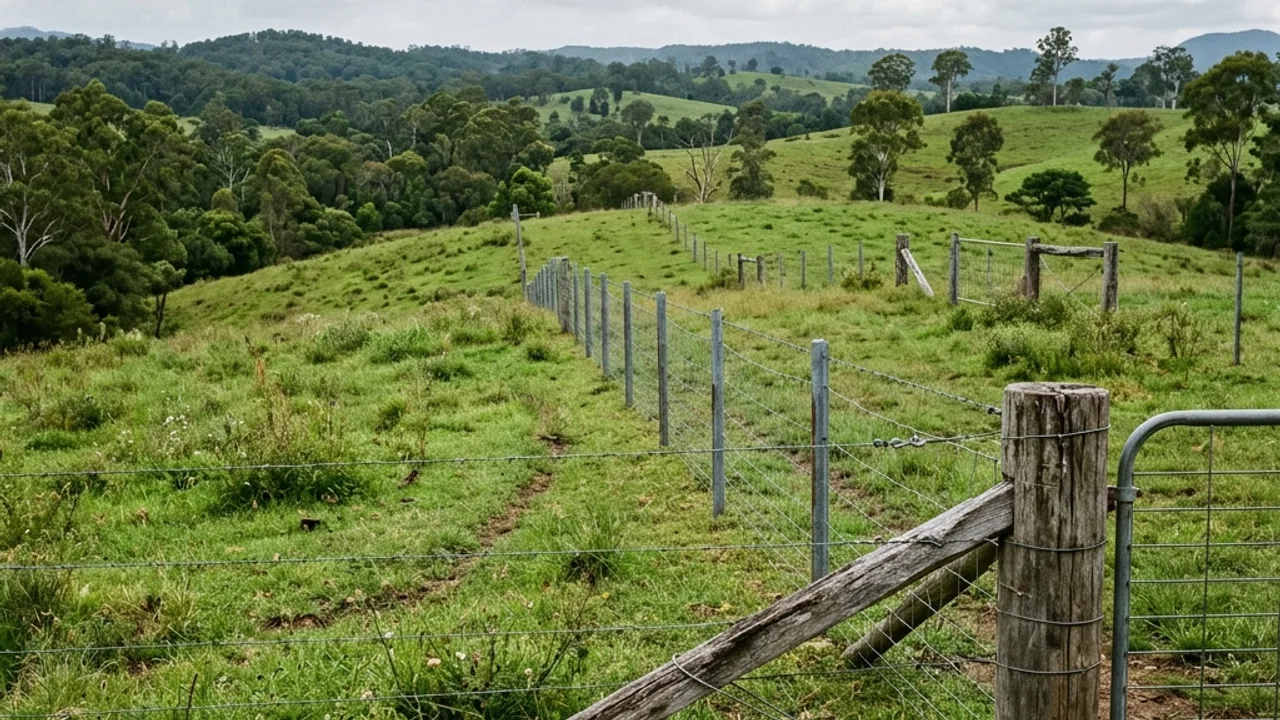
Ringlock, star-picket and strained-wire fencing for hinterland acreage around Doonan, Verrierdale, Cooran, Kin Kin, Pomona and Eumundi - a genuinely different job to suburban boundary fencing.
Rural fencing suits acreage and rural-residential properties across the Noosa hinterland where the job is a paddock boundary or property line rather than a suburban front fence. At the first contact, the fencing contractor asks how the land is used - genuinely agricultural or pastoral, or a rural-residential lifestyle block - because that changes both the licensing picture and the practical build, and separates it clearly from any house-yard boundary fencing on the same property.
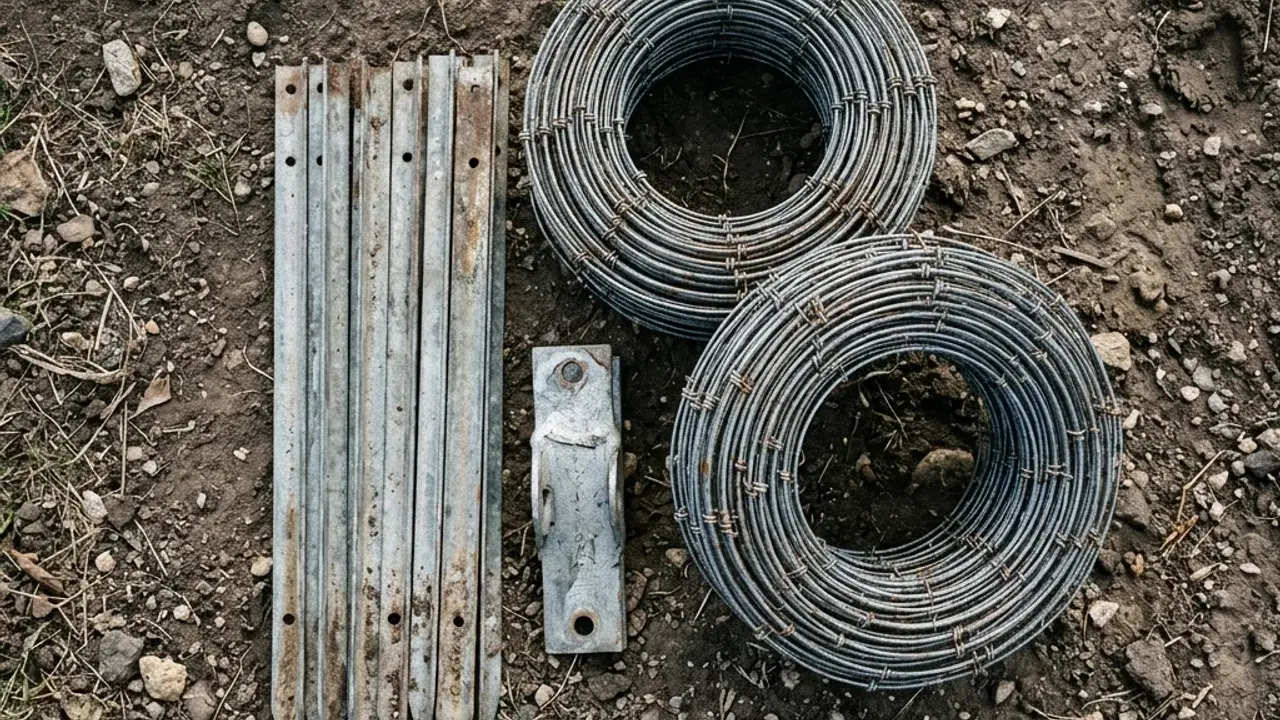
Prefabricated woven-wire mesh strained between posts, the standard for stock-proof paddock boundaries.
Galvanised Y-section steel posts driven into the ground along the fence line.
The heavy anchored end post and diagonal brace that carries the tension of a strained wire fence.
Wire fencing on genuinely agricultural or pastoral land, assessed for the QBCC's licensing exemption.
General strained-wire boundary runs for rural-residential and acreage properties.
Queensland's fencing licensing rules carve out real exemptions for genuinely rural work, and they matter more across this hinterland corridor - Doonan, Verrierdale, Eumundi, Cooran, Kin Kin, Pomona - than almost anywhere else in the wider Noosa catchment. A fence with no concrete footing, made of posts, pickets or stakes joined by strands of wire, is exempt from QBCC licensing at any value. A fence on land that is genuinely agricultural or pastoral is exempt regardless of value too. That covers a large share of standard ringlock and star-picket paddock fencing.
Two things do not get exempted, though, and conflating them is the most common mistake. First, a house-yard boundary fence around the home itself - even on a rural-residential or acreage property - is licensed the same way a suburban fence is: once the job reaches $3,300 including labour and materials, a QBCC-licensed contractor is required, regardless of how rural the surrounding land is. Second, a fence WITH a concrete footing on non-agricultural land does not qualify for the wire-fencing exemption just because it uses wire mesh - the exemption is specifically for footing-free wire construction.
The Kin Kin Beds clay found around Kin Kin and the duplex clay-over-sand soil common through Doonan and Verrierdale both affect how a strainer post is set - the heavy anchored end post that carries a strained wire fence's tension needs a properly compacted footing, and ground that goes soft after rain (as Kin Kin's clay does) needs more care than firmer hinterland loam to hold that tension over time.
Send the fence line length, terrain and how the land is used through the form.
A site visit checks the ground, confirms the boundary and works out whether the QBCC exemption applies to this specific run.
A written, fixed-price quote covers materials, strainer assemblies and gate hardware, with licensing status noted clearly.
Star pickets and strainer posts go in and wire is strained to tension, built for the actual ground and terrain.
We explain clearly which parts of your job qualify for the QBCC's wire-fencing or agricultural-land exemption, rather than assuming a blanket answer either way.
A homestead boundary and a paddock line are different jobs with different licensing rules - we scope and quote them accordingly.
Kin Kin clay, Doonan duplex subsoil and firmer hinterland loam all need different care when setting a strainer post - we build for the actual ground.
A wire fence with no concrete footing is exempt at any value, and fencing on genuinely agricultural or pastoral land is exempt regardless of value. A house-yard boundary on the same property is licensed the same as any suburban fence once it reaches $3,300 including labour and materials.
It is the heavy anchored end post with a diagonal brace that carries the tension of a strained wire fence. It needs a properly compacted footing - especially on ground like Kin Kin's clay, which softens after rain - to hold that tension over time.
Yes - it is common on hinterland acreage to run ringlock or strained wire around the paddock boundary and a Colorbond or timber fence around the house yard itself, each scoped and licensed according to its own use.
Questions Noosa and Sunshine Coast homeowners bring to this job, answered plainly.
Pick your suburb for the local ground, soil and access notes, or send the form and we will come back with a written quote for rural fencing.
Talk to a fencing specialist
Ready to price a rural fence line?
Tell us how the land is used and roughly how long the run is, and we will help you work out what applies.