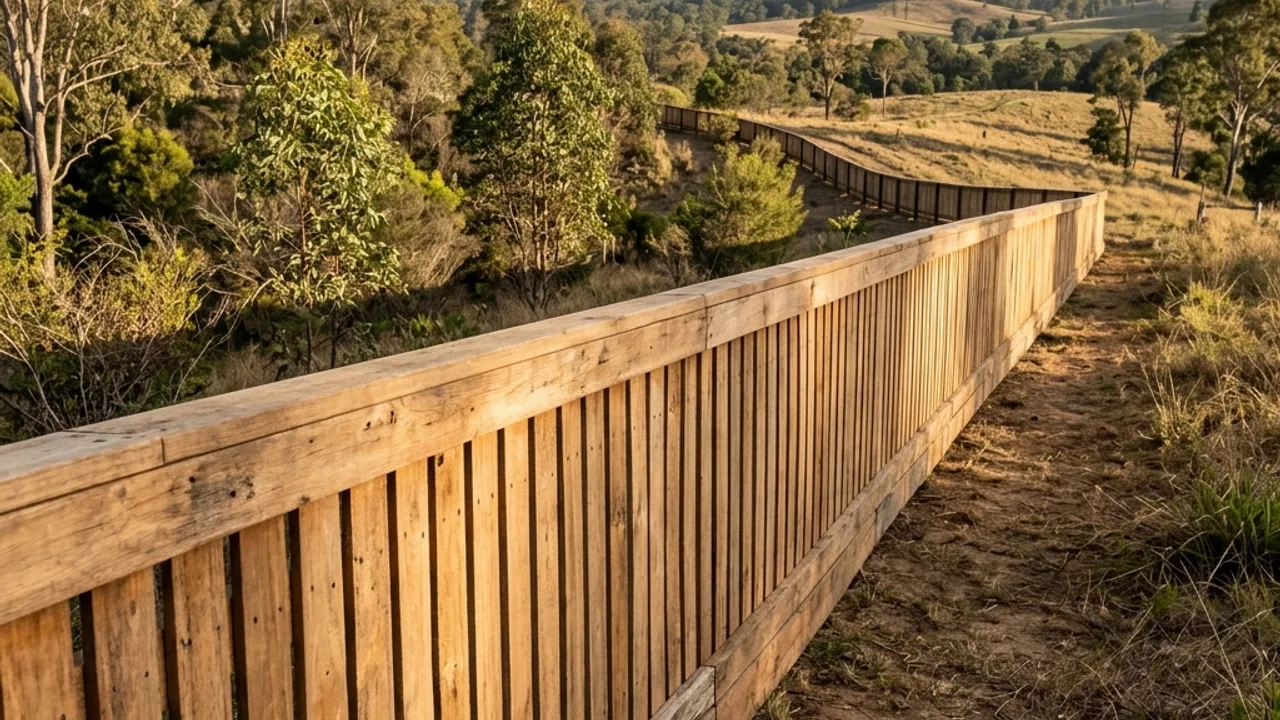
Lapped and capped timber paling boundary fence on a hinterland Queensland property

Timber Fencing for Noosa and the Hinterland

Paling, lapped-and-capped and picket timber fencing suited to hinterland acreage and established residential streets, built to last against the local ground and climate.

What the job covers

Who this suits and what to expect

Timber remains the right call across a lot of the hinterland - Cooroy, Pomona, Doonan, Eumundi - and on established streets where a period or character home suits a traditional look more than a steel panel. At first contact, the fencing contractor talks through paling style, timber treatment and whether the run is a straightforward like-for-like replacement or a shared dividing fence with a neighbour, since that changes both the process and who pays.

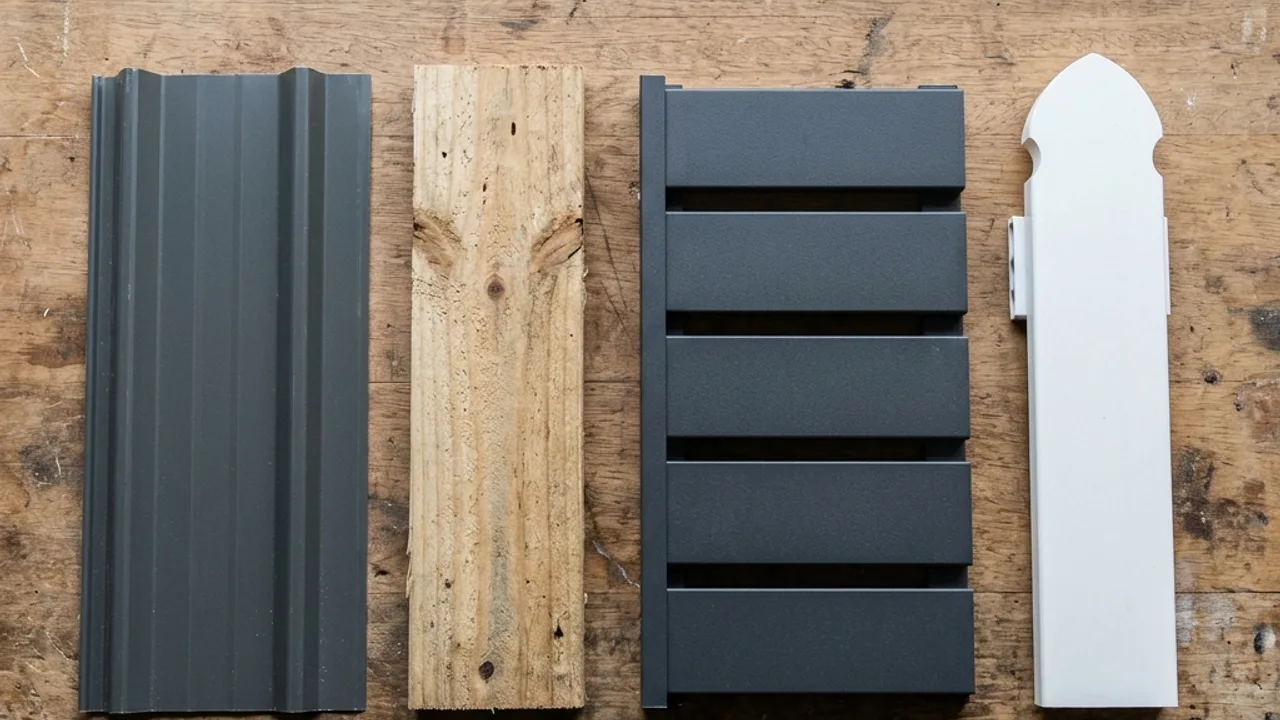
Timber fence material samples and paling detail

What a timber fencing job includes

Lapped and capped paling

Overlapped palings with no gaps and a capping board on top - the premium privacy style, common on established boundary runs.

Butted paling

Palings fixed edge to edge, a more budget-friendly style that leaves small gaps as the timber moves over time.

Picket front fencing

Shorter, spaced, often decorative front-fence palings suited to period and character homes.

Rail and plinth construction

The horizontal rails and ground-level plinth board that close gaps and resist rot at the base.

Timber gate fitting

Matching gates and hardware built to the same style as the fence run.

What Noosa Fencing explains about dividing-fence rules and timber

A shared boundary fence between neighbouring hinterland properties is one of the most common reasons a timber job gets started, and Queensland law sets out a clear process for it. Under the Neighbourhood Disputes (Dividing Fences and Trees) Act 2011, adjoining owners generally contribute equally to a sufficient dividing fence - one between 0.5 m and 1.8 m high, made of a prescribed material such as timber palings. An owner who wants something taller or fancier than sufficient covers the difference themselves.

The process starts with a notice to contribute: an approved-form notice naming the fence line, the type of work and the estimated cost, with at least one written quotation attached. If the neighbours have not agreed within a month, either owner can apply to QCAT within two months of the notice. None of that guarantees an outcome or a 50/50 split on every job - it describes the process, and the actual contribution depends on what is agreed or determined.

Timber holds up differently depending on where it sits in this service area. On hinterland acreage around Doonan and Eumundi, duplex clay subsoil under the sandy topsoil means the ground itself needs some care during post-hole digging, but the timber's exposure to weather is generally more moderate than a beachfront run. Closer to the coast, salt air shortens a bare timber fence's life noticeably faster than the same fence set a few kilometres inland, which is worth factoring into the treatment and maintenance conversation before committing to timber over Colorbond on an exposed block.

How a timber fencing job runs

1

Enquire

Send the run length, style preference and whether it is a shared boundary through the form.
2

Measure

A site visit confirms the boundary, checks ground conditions and talks through paling style and treatment.

3

Quote

A written, fixed-price quote covers material, style, old-fence removal and gate hardware as separate lines.

4

Install

Posts, rails and palings go in to the confirmed spec, with the plinth and capping detail built to hold up against local ground and weather.

Why use our network for timber fencing

Dividing-fence process explained plainly

If your job is a shared boundary, we walk you through the notice-to-contribute process rather than leaving you to work out the Act yourself.

Ground assessed for the actual site

Hinterland clay subsoil and coastal salt exposure both change how a timber fence is built - we plan for the specific block.

QBCC-licensed installers for the job value

Paid work at $3,300 or more including labour and materials is carried out by a QBCC-licensed contractor in our network.

Common questions before booking

Who pays for a shared dividing fence?

Adjoining owners generally contribute equally to a sufficient dividing fence under Queensland law, starting with a notice to contribute that includes a written quote. Unresolved disputes go to QCAT - we can help you understand the process, but the outcome depends on what is agreed or determined.

Is timber a good choice near the coast?

Timber can work near the coast with the right treatment, but salt air shortens its life faster than a few kilometres inland - Colorbond or aluminium slat are worth comparing for beachfront blocks.

Lapped-and-capped or butted paling - what is the difference?

Lapped-and-capped overlaps the palings with no gaps and a capping board, giving full privacy and a longer-lasting top edge. Butted paling is more budget-friendly but leaves small gaps as the timber shrinks over time.

Timber fencing questions

Questions Noosa and Sunshine Coast homeowners bring to this job, answered plainly.

How much does timber fencing cost per metre?
Timber fencing is often priced by the metre and can vary based on the timber type, fence style, and whether posts need replacement. On the Sunshine Coast, timber can be competitive upfront, but ongoing maintenance and coastal weather exposure can affect long-term cost. A site inspection is usually needed for an exact quote.
What is the best fence for coastal areas like Noosa?
Coastal areas usually need materials that can handle salt air and corrosion better than untreated timber or low-grade metal. Many people choose aluminium, Colorbond, or properly treated timber depending on budget and appearance. Maintenance needs are often higher closer to the coast than inland.
Can I install a fence myself?
DIY fencing is possible for some simple jobs, but alignment, post depth, drainage, and boundary checks can make it harder than it looks. If the fence is on a boundary, near a retaining wall, or subject to approval rules, mistakes can create neighbour or compliance problems. Many people DIY only smaller internal or low-risk fences.
How high can a fence be without approval in Queensland?
On the Sunshine Coast, fences up to 2 metres high above natural ground level can generally be built without building approval. If the fence is higher than that, attached to a retaining wall, or part of pool fencing, approval is usually required. Council and private certifier rules can also apply depending on the site.
Do fencing contractors service Tewantin and Noosaville?
Yes, many Sunshine Coast fencing businesses service Noosa-area suburbs including Tewantin and Noosaville. Availability depends on the contractor, job size, and whether the work is standard boundary fencing, pool fencing, or custom gates. It is normal to ask for a site visit before getting a firm quote.

Timber Fencing across Noosa

Pick your suburb for the local ground, soil and access notes, or send the form and we will come back with a written quote for timber fencing.

Timber Fencing in Noosa Heads Headland lots run shallow sandy soil over sandstone and take the full force of onshore south-easterlies. Timber Fencing in Noosaville Riverfront blocks sit on low estuarine sand with acid-sulfate potential, so footings need the right protection. Timber Fencing in Tewantin Alluvial river terraces can sit high on groundwater, so post holes here often need extra drainage allowance. Timber Fencing in Sunshine Beach Elevated dune-sand blocks cop salt spray and blown sand, which is why post treatment matters more here than inland. Timber Fencing in Peregian Beach Dune and wallum sand runs soft underfoot, so footing depth gets more attention than on firmer hinterland ground. Timber Fencing in Coolum Beach Beachfront sand takes the brunt of onshore wind, while blocks a street or two back sit noticeably calmer. Timber Fencing in Marcoola Wind data from the airport next door confirms it: Marcoola gets some of the coast's strongest gust loading. Timber Fencing in Mount Coolum Ground swings from rocky mountain residual to soft coastal sand within a few streets here. Timber Fencing in Doonan Duplex clay subsoil under the sandy topsoil erodes fast once disturbed, so post-hole spoil needs careful handling. Timber Fencing in Cooroy Red hinterland loam holds a post well once it's set, but the stony rises near the mountain slow the dig down. Timber Fencing in Pomona Mount Cooroora channels wind through the valley in gusts, which is worth allowing for on an exposed boundary run. Timber Fencing in Eumundi Creek-side blocks carry deeper alluvium than the surrounding ridges, so footing depth is rarely one-size-fits-all. Timber Fencing in Cooran Valley alluvium is easy digging most of the year, but the slopes toward the range hold stony duplex soil instead. Timber Fencing in Boreen Point Lake Cootharaba builds real fetch across open water, so lakefront runs see more sustained wind. Timber Fencing in Castaways Beach Deep dune sand drains fast but holds little, so a taller boundary fence needs a deeper set than the beach suggests. Timber Fencing in Kin Kin Kin Kin's phyllite clay goes soft and heavy after rain, which changes how a strainer post needs to be set. Timber Fencing in Yandina River-flat alluvium floods easily, so drainage under a boundary fence matters as much as the post spacing. Timber Fencing in Verrierdale Cleared acreage blocks catch noticeably more wind than the wooded hinterland lots just down the road.

See all locations ->

Related fencing services

Talk to a fencing specialist

Ready to price a timber fence?

Tell us the style you are after and whether it is a shared boundary, and we will help you work out the next step.