
Noosa & Sunshine Coast Fencing
Noosa Fencing for Boundaries, Pools and Gates
A fence decision here starts with the site - a beachfront block at Sunshine Beach fights salt air and wind, a hinterland run at Doonan is a different licensing question entirely. Describe the fence line, your suburb and any old fence in the way, and we will help you work out materials, access and what should be on a written quote.
For work that requires licensing, check that the contractor holds a current QBCC licence with the right scope for the job. Pool barriers have separate safety requirements.
Find the useful next page
You might be choosing a material, checking a boundary, or trying to make sense of a quote. Start with the question that is holding the project up.
Fencing services matched to coast or hinterland
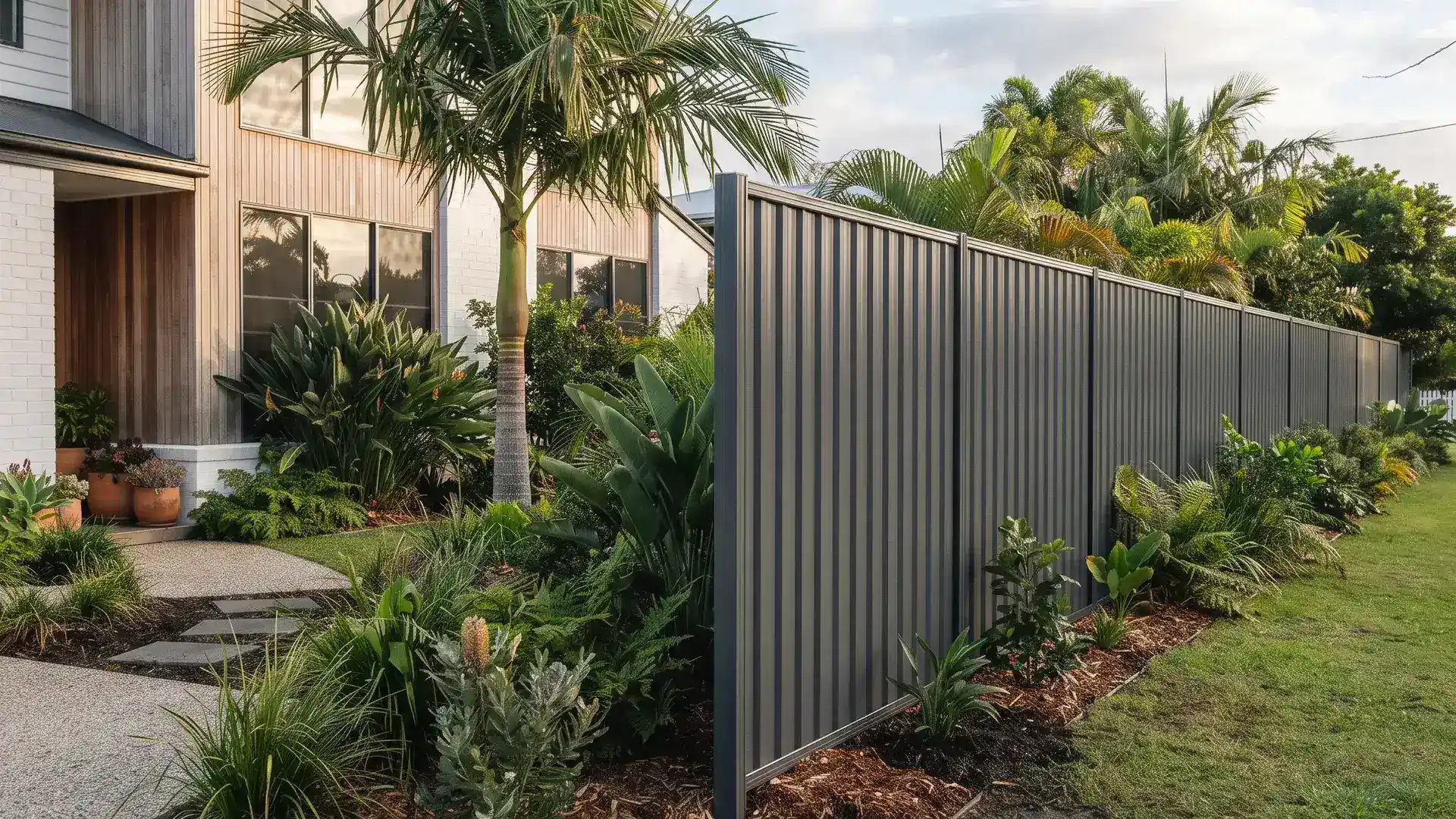
The right material depends on how exposed your block is and what the fence has to do. Colorbond and aluminium slat suit the salt air and wind on the beachfront strip from Noosa Heads to Marcoola. Timber remains the right call on established hinterland streets and as a shared dividing fence. Pool fencing is its own compliance-led job wherever a barrier is involved, and rural fencing covers the paddock and acreage boundaries out through Doonan, Eumundi and Kin Kin, where different QBCC rules apply.
Before you commit
Begin with the boundary before choosing the panel
A boundary project is partly a building decision and partly a neighbour conversation. In Queensland, the Neighbourhood Disputes (Dividing Fences and Trees) Act 2011 sets a process for adjoining owners considering a sufficient dividing fence. That does not mean every premium material, extra height or preferred finish is automatically shared - an owner who wants more than sufficient covers the difference.
Start with a written description of the work and at least one quote. If discussion does not settle the matter, a notice to contribute is the formal step, and the timing matters: the Act allows one month to reach agreement, followed by a possible QCAT application within two months of the notice. This is general information, not a promise about the result.
Three checks before measuring
- Check proposed height against the ground and any retaining wall - combined height can change the approval question.
- A corner block can need a lower sight-line treatment so drivers can see across the intersection.
- A pool barrier has its own safety requirements and inspection pathway, confirmed only by a licensed pool safety inspector.
- If a neighbour, pool, slope or acreage boundary is involved, put that in the first enquiry so the quote starts in the right place.
A metre rate is only one part of the price
A rate can help you sanity-check a project, but it does not describe the whole site. Compare the inclusions below before treating two numbers as like-for-like.
What you want the fence to do
Privacy, airflow, street presentation and pool safety point to different materials and heights.
How exposed the block is
Beachfront wind and salt spray need a different post spec to a sheltered hinterland street, even at the same length.
Ground conditions
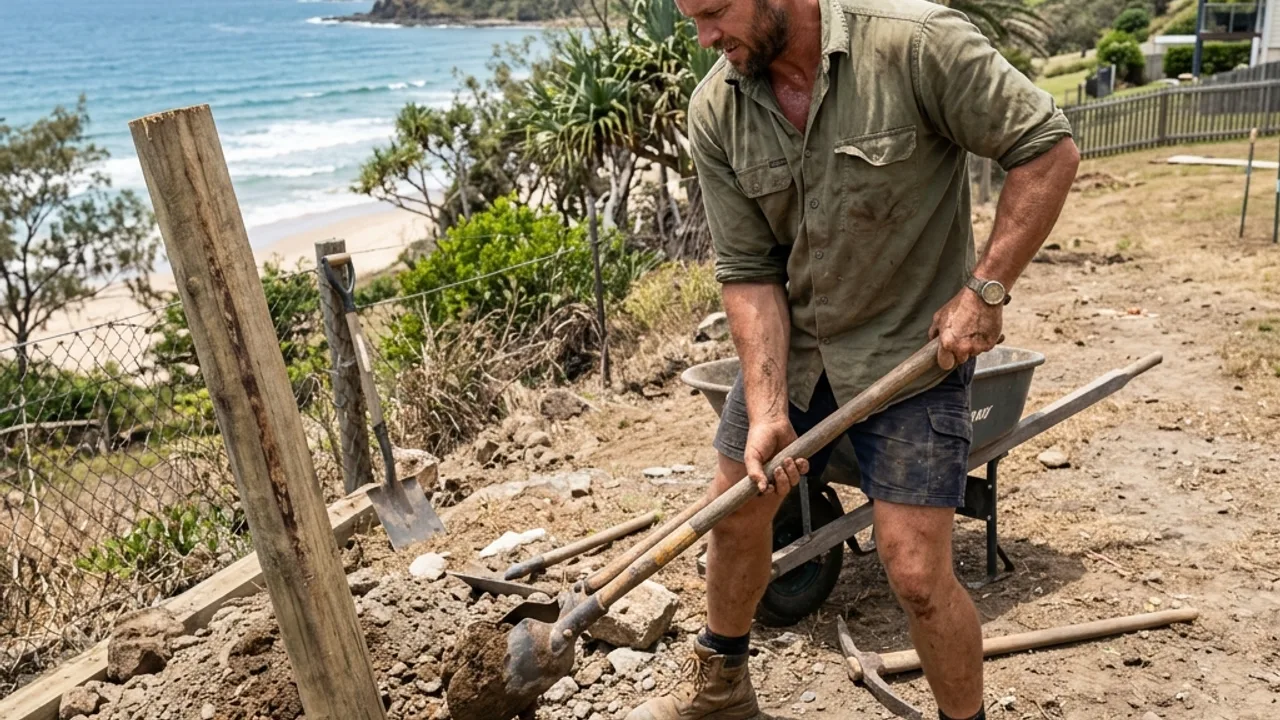
Coastal sand, riverfront alluvium and hinterland clay all dig and hold a post differently, which shows up in the footing spec.
Access and the run itself
Corners, returns, gates and hard-to-reach boundaries add time beyond the straight metres.
The fence already there
Removal, disposal and making good after old posts come out can be a real part of the job - ask whether it is included.
Use the estimator as a starting point
Add a rough length, height and working rate to see a planning range. It is a conversation starter, not a site measure or a fixed offer.
Open the cost calculatorWhat a dependable quote should make clear
The useful proof is in the process: a clear scope, a sensible site measure, visible assumptions and written terms before work is booked.
Local coastal-to-hinterland fencing
Your fence is measured, quoted and installed by fencing contractors working across Noosa, the Sunshine Coast and the hinterland, QBCC-licensed where the job value requires it.
Built for the site, not a template
Footing and material choices account for coastal dune sand and salt exposure near the beach, and duplex clay or Kin Kin Beds clay further into the hinterland.
Compliance handled properly
Pool barriers built to the Queensland pool safety standard, and rural or agricultural exemptions applied correctly rather than assuming every job needs the same licence.
Written quotes, no obligation
Tell us about the fence line and get a written quote that spells out material, run length, removal of the old fence and site access.
The enquiry-to-quote path
- 1. Start with the facts you have. Share the suburb, approximate run, preferred material and anything unusual about the boundary or access.
- 2. Confirm the site conditions. Length, exposure, ground, old posts and gate positions turn an estimate into a workable scope.
- 3. Read the inclusions. Material, posts, gates, removal, disposal and any assumptions should be easy to find in writing.
- 4. Decide with the terms in front of you. Payment timing, quote validity and the next booking step belong in the conversation before installation.
Fencing across Noosa
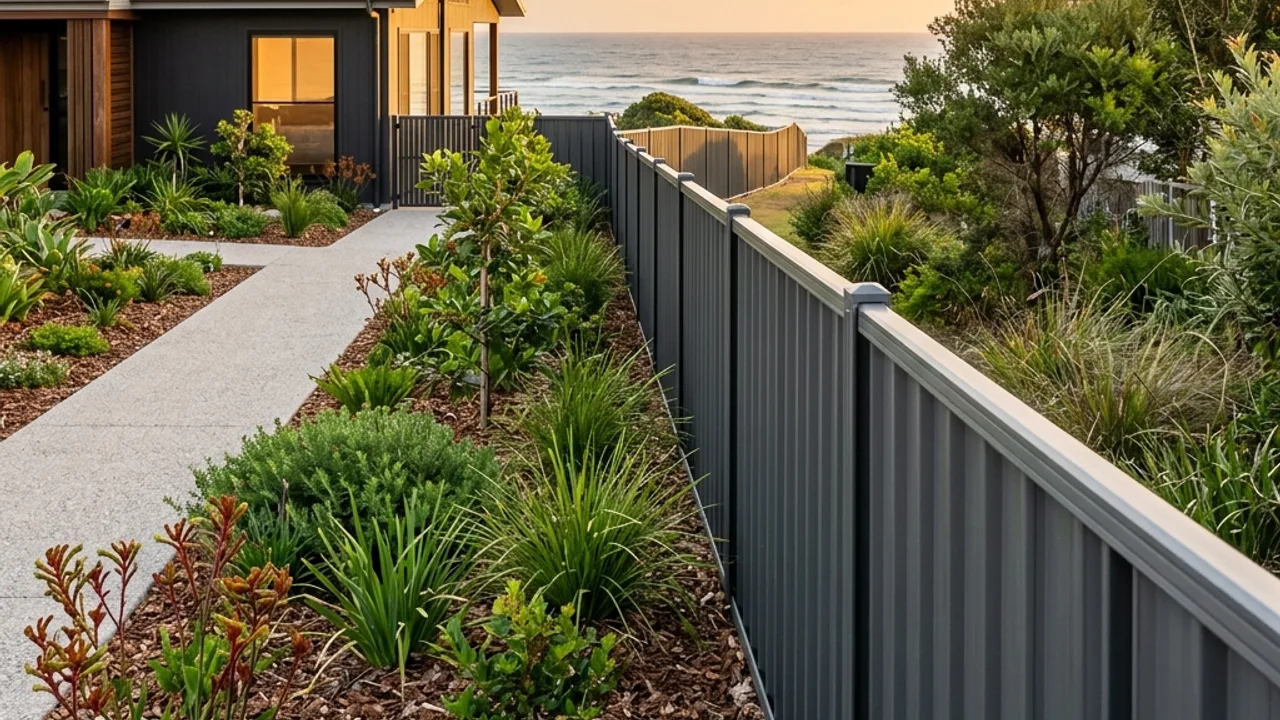
A fence at Noosa Heads is fighting salt spray; a run at Doonan is a paddock boundary with a different licence question. Pick a suburb for the local ground, wind and access notes.
Next step
Give us the starting facts for your fence project
An approximate length is enough for the first message. Include the suburb, the material you are considering, whether the old fence needs removal and whether a neighbour or pool is part of the job.
Still gathering information? The project estimator gives you a planning range, while the fence checklist helps organise boundary, notice and approval questions.
Questions to settle before the quote
Use the full FAQ for practical notes on price, neighbours, approvals, materials and pool barriers.
How much is Colorbond fencing per metre?
Do I need a permit to build a fence in Noosa?
Who pays for a dividing fence between neighbours?
What are the rules for pool fencing in Queensland?
Plan the next step
Turn the fence idea into a clear scope
Share the block details and the work you have in mind. A useful quote starts with what is known and what still needs checking.