
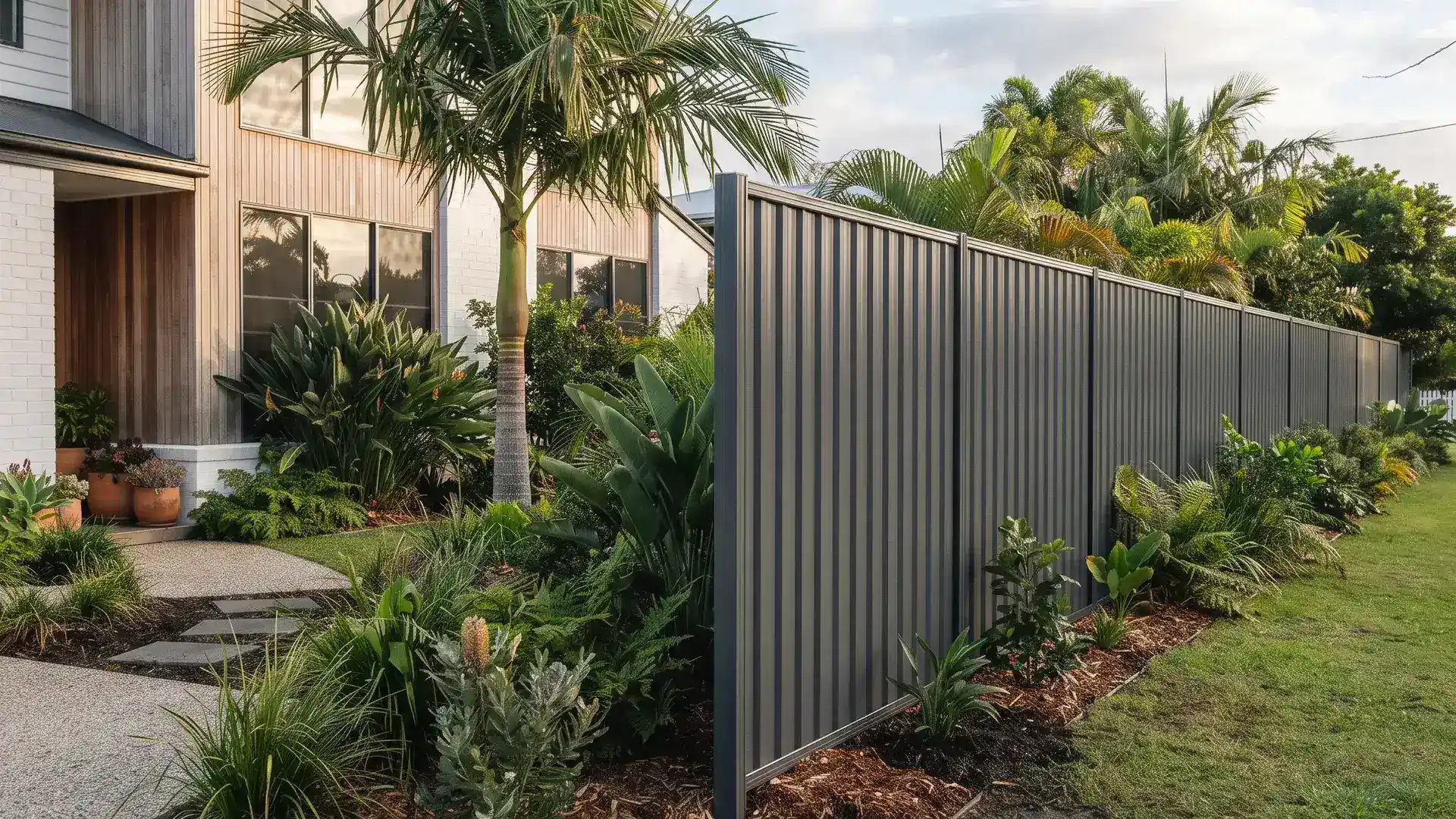
Our Fencing Services Across Noosa and the Coast
Six kinds of fencing work, from a Colorbond boundary at Noosa Heads to a ringlock paddock line at Doonan. Pick the one that matches your job for the detail that actually applies to it, or send the form and we will ask the right questions upfront.
Which of these is your job
What decides between the systems below is usually the site, not personal taste. A block right on the coast is fighting salt spray and onshore wind, so Colorbond and aluminium slat lead there. A hinterland acreage property is fencing a paddock line, not a suburban boundary, so ringlock and star pickets take over and different QBCC licensing rules apply. A pool changes the job entirely, because the barrier has to meet a specific safety standard rather than just look right. And a shared boundary with a neighbour brings Queensland's dividing-fence law into the decision before material even comes up.
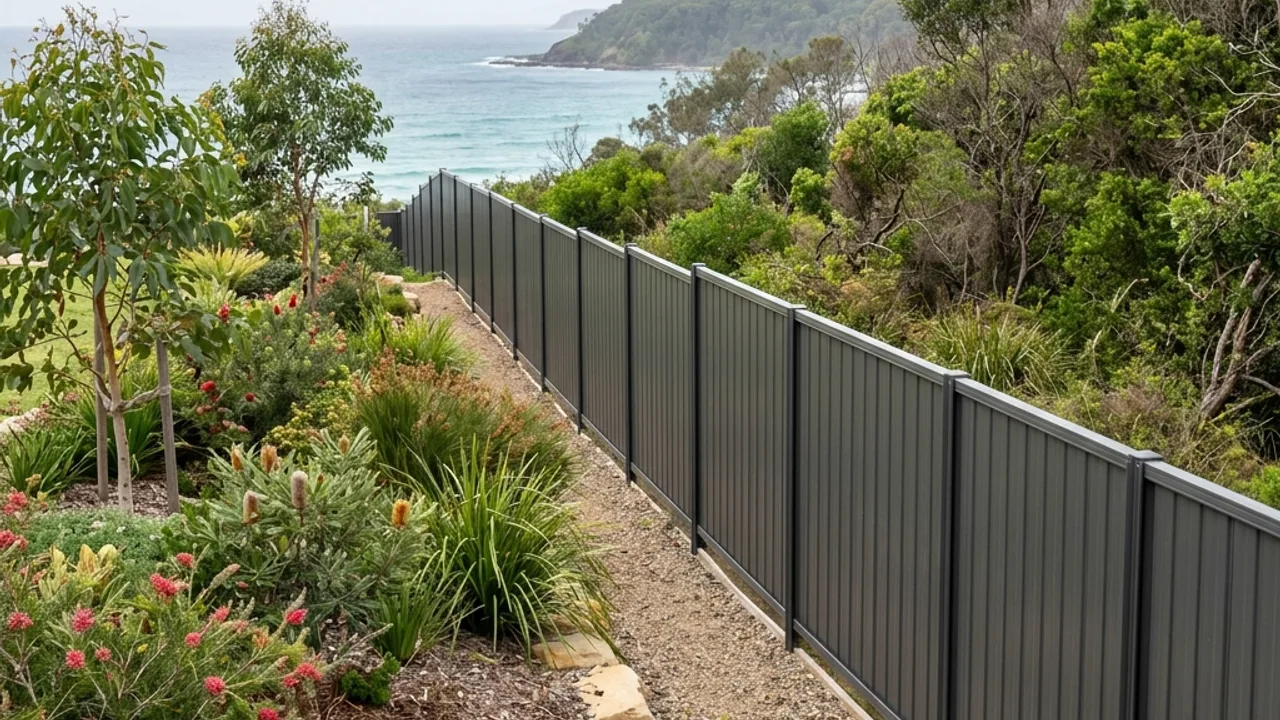
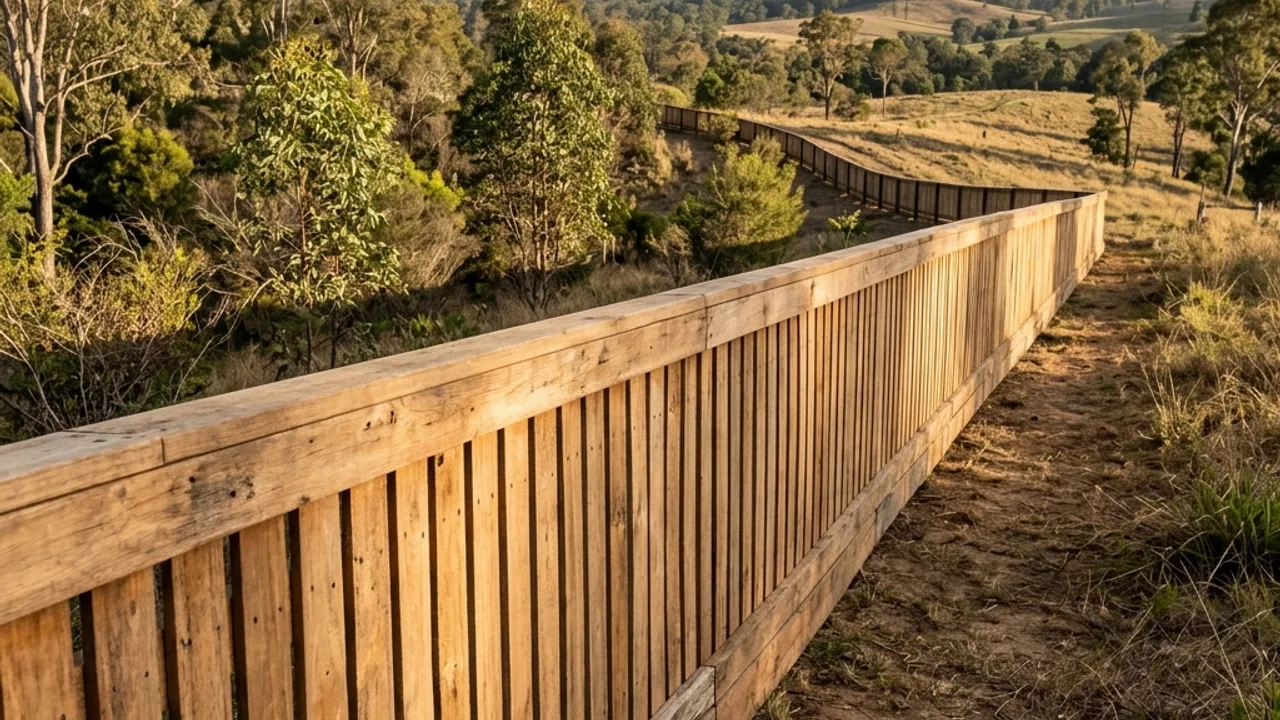
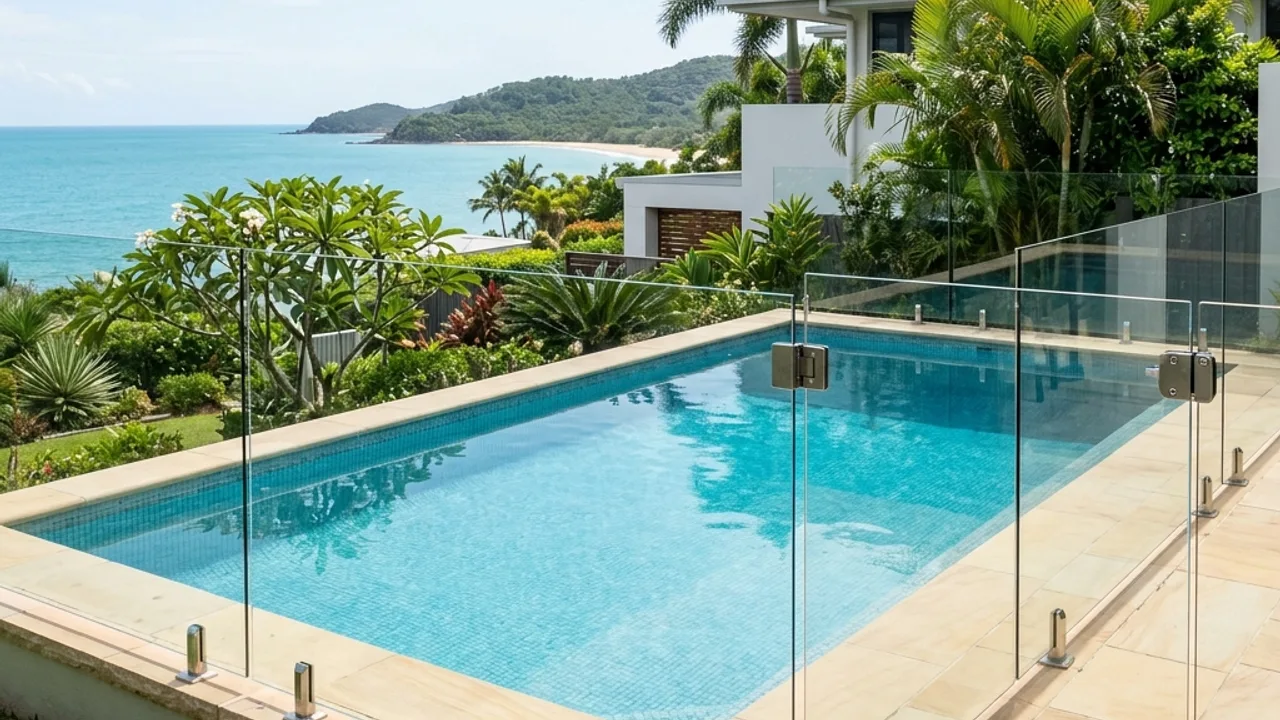
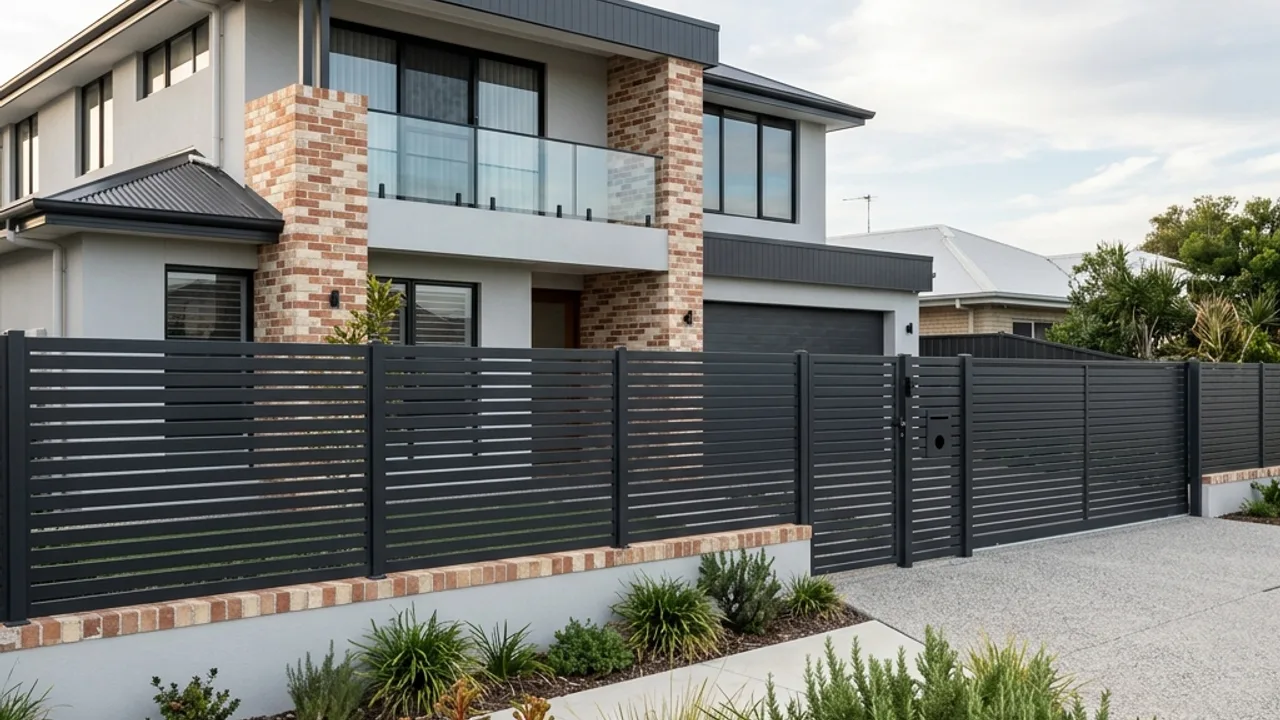
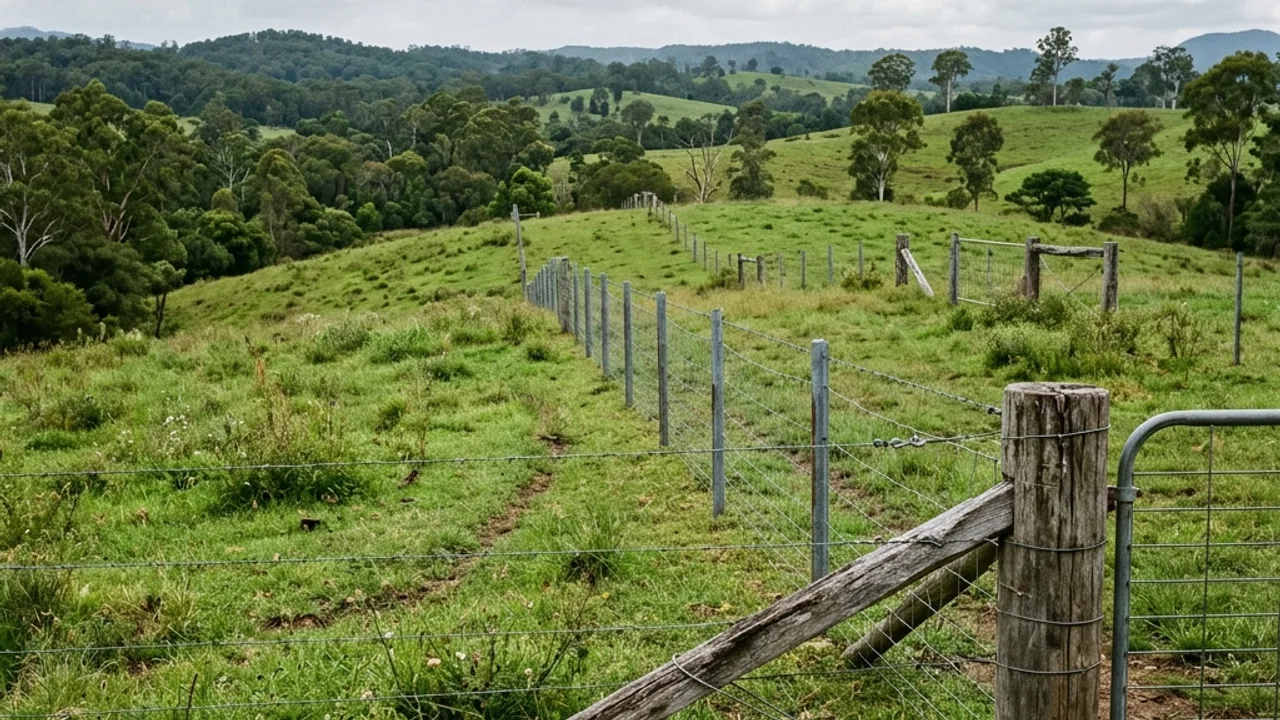
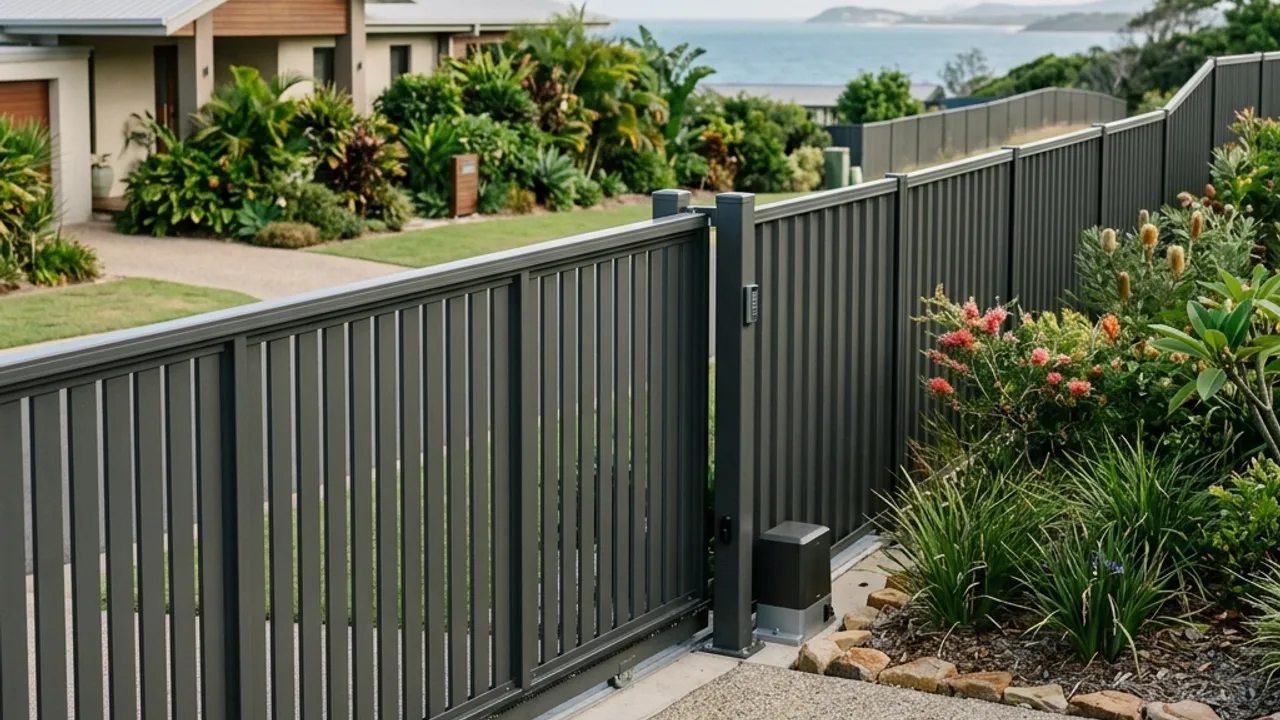
What Noosa Fencing considers before recommending a material
Exposure decides more of this than most homeowners expect. On the open beachfront - Noosa Heads, Sunshine Beach, Peregian Beach, Coolum Beach and, most of all, wind-exposed Marcoola next to the airport - factory-finished Colorbond and powder-coated aluminium slat both handle salt spray and onshore wind without a repaint cycle. A street or two back from the water, that exposure drops noticeably, and timber becomes a genuinely competitive option again.
Ground matters just as much as wind. Riverfront blocks at Noosaville and Tewantin carry low estuarine sand with occasional acid-sulfate potential and higher groundwater, which changes footing depth. Hinterland ground through Cooroy, Pomona, Doonan and Eumundi is residual loam over duplex clay - workable, but erosion-prone once disturbed. Kin Kin's phyllite clay is heavier again and goes genuinely soft when wet, which changes how a strainer post gets set on a rural run.
And use changes the licensing picture, not just the material. A suburban boundary fence needs a QBCC-licensed contractor once the job reaches $3,300 including labour and materials. A wire fence with no concrete footing, or fencing on genuinely agricultural or pastoral land, is exempt from that licence at any value - which is exactly why the rural fencing page below exists as its own service rather than a footnote on boundary fencing.
Boundary Fence or Dividing Fence: Who Pays for What
If the fence sits on the boundary it is a dividing fence, and Queensland's Neighbourhood Disputes (Dividing Fences and Trees) Act 2011 sets out how two owners share the cost. Adjoining owners generally contribute equally to a sufficient dividing fence, which for residential land means between 0.5 m and 1.8 m high in a prescribed material. Where one owner wants more than sufficient, that owner covers the difference themselves.
The practical advice is the same in every case: talk to next door before ordering anything, get a written quote you can both look at, and put the agreement in writing. If agreement does not come, a notice to contribute is the formal next step - it names the fence line, the work and the estimated cost with a quote attached - and unresolved matters go to QCAT within the timeframes the Act sets. Nobody can promise what your neighbour will decide.
Two other rules come up constantly across this catchment. A fence up to 2 m above natural ground is generally accepted development in Queensland, and above that a building certifier needs to approve it, with a fence on a retaining wall assessed on combined height. And a pool barrier is a separate regime altogether under the Queensland pool safety standard, certified only by a licensed pool safety inspector.
Find a Service in Your Suburb
Every service above is available right across the Noosa and Sunshine Coast catchment. Start with your suburb for the local ground, wind and access notes, or open the full list of locations.
Not Sure Which Fence You Need?
Describe the fence line and what you want it to do, and the material question usually answers itself. Useful details: roughly how many metres, how exposed the block is to wind and salt, whether a neighbour shares the boundary, whether a pool sits inside the line, and your suburb. From there the next step is a measured site visit and a written quote you can hold, with removal of the old fence shown as its own line so two quotes can be compared.
Talk to a fencing specialist
Ready to get the fence line measured?
Send the run length, your suburb and what the fence has to do. You get practical guidance upfront and a fixed written quote before any work begins.